


Aleah Brubaker still remembers the moment she saw her first case of normothermic regional perfusion (NRP) for organ donation.
She had just begun her attending role at the University of California, San Diego in 2021. At that time, donation after circulatory death was well-established but a relatively infrequent occurrence in liver transplantation. But this case was different. During NRP, the liver was reperfused in the donor’s body, restoring oxygen and metabolic activity before recovery. This differs from traditional rapid organ recovery of a liver that has sustained warm ischemic injury, which can make transplantation more difficult.
“It was clear to me that this was something that we needed to get heavily involved in,” she says. “I saw that this could fundamentally change how we think about organ donation and transplantation.”
That moment marked an inflection point, not only in her own career but in how she would approach one of the field’s most persistent challenges: expanding access to donation and transplantation while preserving safety and outcomes.
From Early Curiosity to Translational Impact
Dr. Brubaker’s path to transplant surgery was not predetermined, but the seeds were planted early. Raised in River Forest, just outside Chicago, by a physician mother and an attorney father, she was exposed to medicine from a young age and developed an early curiosity about science. It was not until medical school, however, that she discovered transplantation and how the field would bring those interests together.
After attending Pepperdine University as an undergraduate, she went to Loyola for her MD and PhD. Her defining introduction to transplantation came during her fourth year of medical school, while completing a visiting rotation on the Transplant Service at UCLA. This inspired her to pursue surgical residency and transplant fellowship training at Stanford University. There, she discovered a field that combined the elements of medicine she found most compelling: complex surgery, critical care, immunology, and deeply collaborative care. But it was the patients—and the transformative potential of transplantation—that ultimately drew her in.
“I fell in love with the patients,” she says. “You’re taking someone who is incredibly sick and giving them a second chance. I enjoyed the surgical complexity and the critical care component, and I enjoyed the collaborative team approach.” That combination of scientific curiosity and commitment to patients continues to shape Dr. Brubaker’s career as a transplant surgeon-scientist. Her research focuses on machine perfusion technologies, both in situ and ex situ, designed to preserve, assess, and potentially rehabilitate organs that might once have been considered too high risk for transplantation.
At the cellular level, the goal is to interrupt the cascade of ischemic injury and restore metabolic function. But the ultimate goal extends far beyond the laboratory: expanding the pool of suitable donor organs and giving more patients the opportunity to receive a lifesaving gift. At the system level, the implications are broader. “If we can take organs that might otherwise be unsafe for transplant and make them suitable for transplant,” she says, “that changes access for patients on the waitlist.”
A Grassroots Model for National Collaboration
Recognizing the potential of NRP, Dr. Brubaker quickly saw another challenge that could not be solved by any one transplant center. The field was evolving rapidly, but clinicians lacked the shared, granular data needed to understand outcomes, refine best practices and guide the broader adoption of NRP. Her response was to convene a network.
Alongside others interested in NRP, she helped launch CONCORD, a national consortium focused on outcomes related to NRP on donation after circulatory death. What began as informal conversations among early adopters has grown into a collaborative that includes transplant centers, organ procurement organizations, and industry partners.
“It started with questions: ‘How are you approaching NRP? How is it changing your practice, and how can we do it better?’” she says. “The broader goal was always to collect the real-world data we need as a community.”
Today, nearly 20 organizations participate in the consortium. Its structure reflects the same spirit of collaboration that led to its creation: keep barriers to participation low, share ownership of the data, recognize contributions through authorship, and create an environment where transparency benefits everyone.
“It’s a labor of love,” Dr. Brubaker says. “People are putting in extra time because they believe in it and what it can contribute to the community.”
That ethos mirrors a broader shift across transplantation toward distributed learning and shared accountability. It also reflects a core principle that Dr. Brubaker has observed through her work with the Organ Donation and Transplantation Alliance (The Alliance): some of the field’s most difficult challenges are best addressed not by individual programs working in isolation, but by a community willing to learn and move forward together.
Connecting with The Alliance
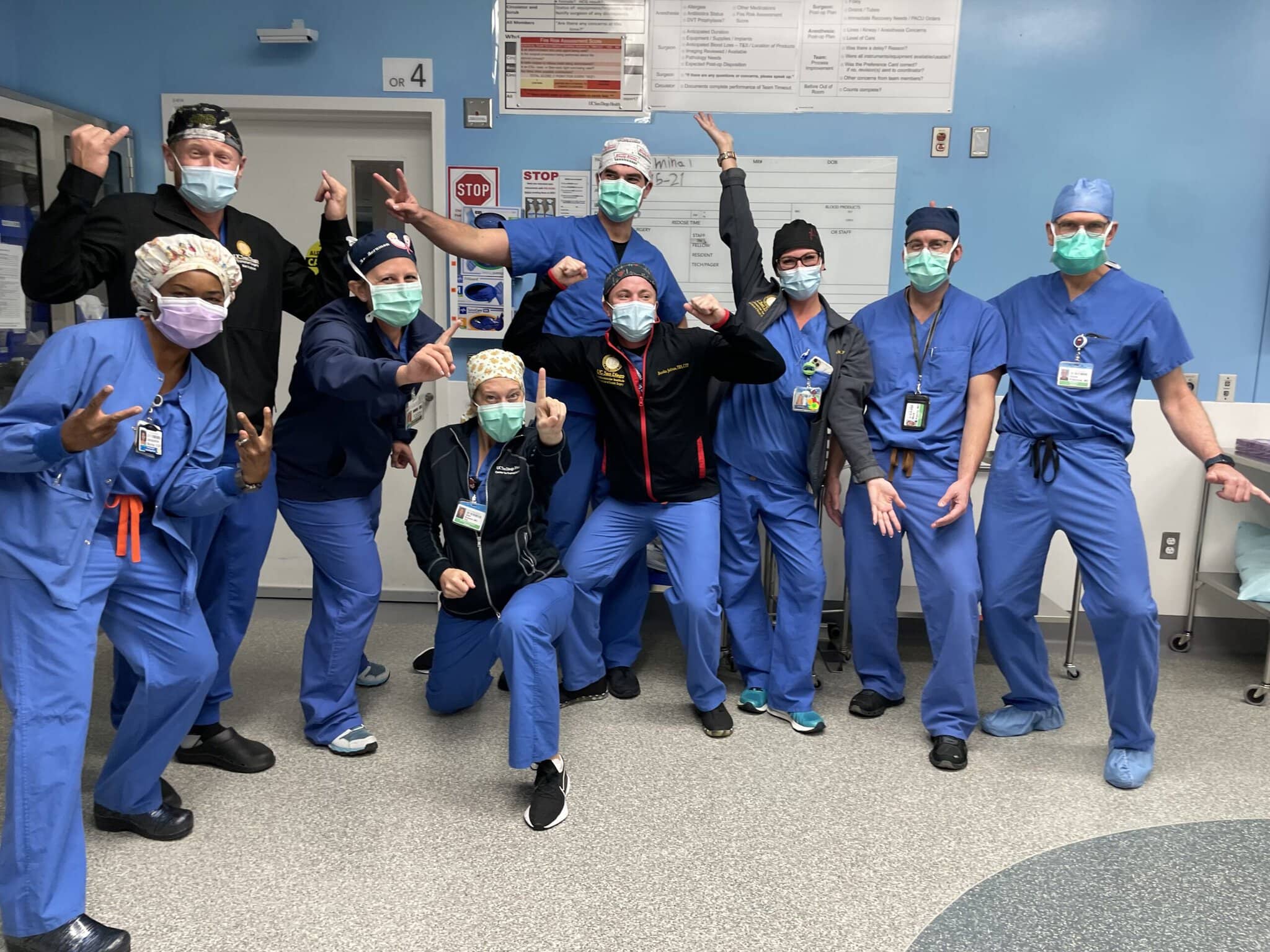
Dr. Brubaker’s first interaction with The Alliance came early in her faculty career, when she was invited to participate in a meeting focused on NRP. “I was amazed by the way they pulled people together,” she says. “It was thoughtful, compassionate, and open-minded in a way that really facilitated constructive discussion.”
In a field often shaped by institutional silos and competing priorities, that kind of space is not guaranteed. For Dr. Brubaker, it was formative.
Since then, she has taken on an increasingly active role, moderating national conversations on evolving practices and recently joining The Alliance’s Board of Directors. Her engagement reflects both alignment in subject matter and a shared philosophy. “The Alliance does a really good job of engaging the whole community,” she says. “That’s what we’re trying to do with CONCORD as well.”
Mentorship and the Next Generation
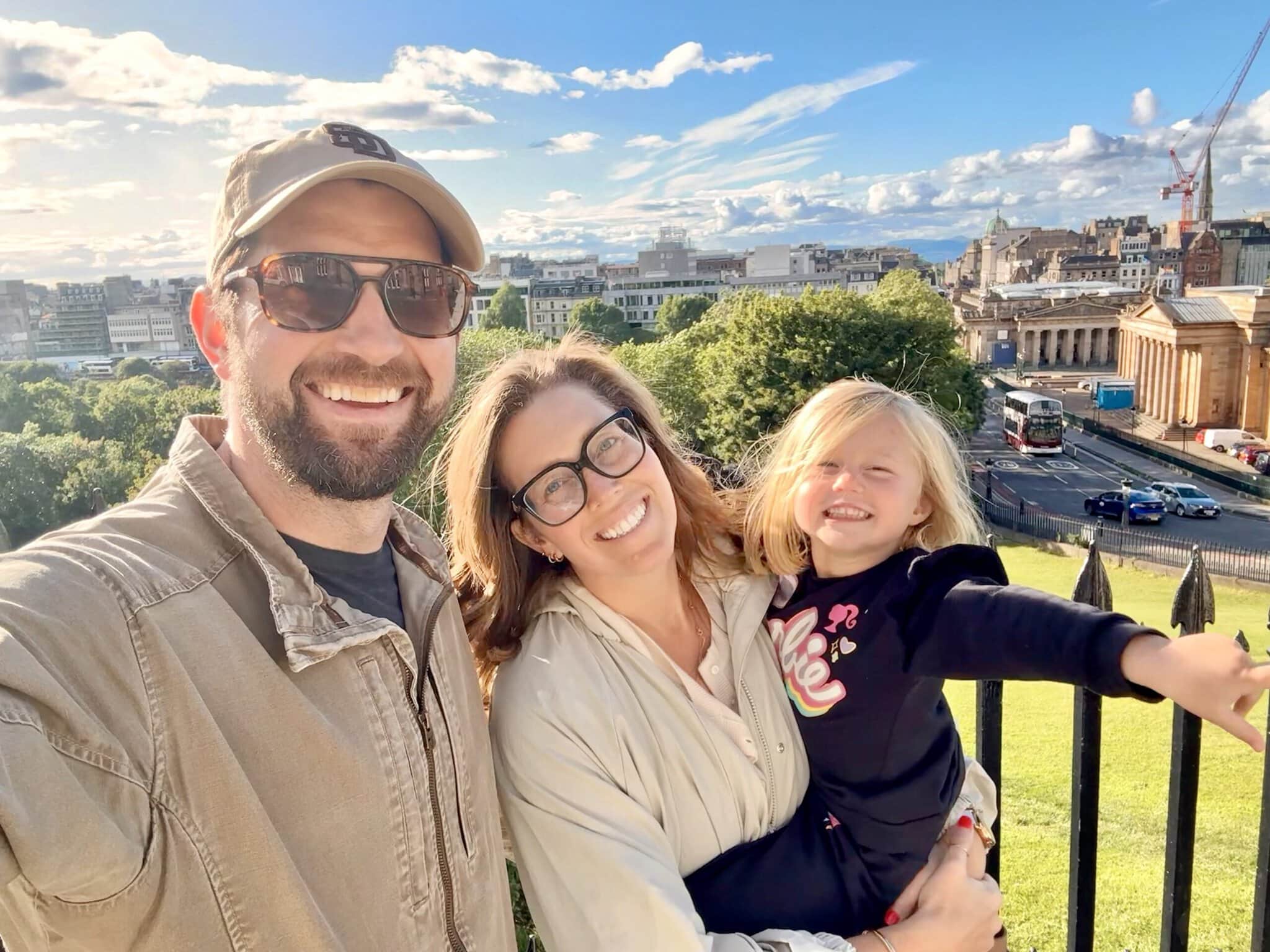
Dr. Brubaker and her husband, a minimally invasive hepatobiliary surgeon, have a three-year-old daughter. A former competitive swimmer and water polo player, she now relaxes by swimming, hiking and skiing with her family. Despite a demanding clinical and research portfolio, Dr. Brubaker places significant emphasis on teaching and mentorship.
At UC San Diego, she works closely with medical students, residents, and fellows, both in the operating room and in research settings. Recognition from trainees, including multiple teaching awards, has been meaningful not as validation of expertise, but as a signal of connection. Those honors include the Golden Scalpel Award in 2022 and 2024 and the Women in Surgery and Intraoperative Teaching Award in 2025.
Her approach to teaching reflects the same principles that underpin her collaborative work: shared ownership, openness, and investment in others’ success.
That perspective extends beyond her institution. Many of the collaborators involved in CONCORD are early- to mid-career professionals, contributing time and energy to build something that benefits the broader field.
“They’re willing to take the extra hours to collect data, share it, and have important discussions,” she says. “That’s how we move things forward.”
Reimagining the System, Not Just the Technology
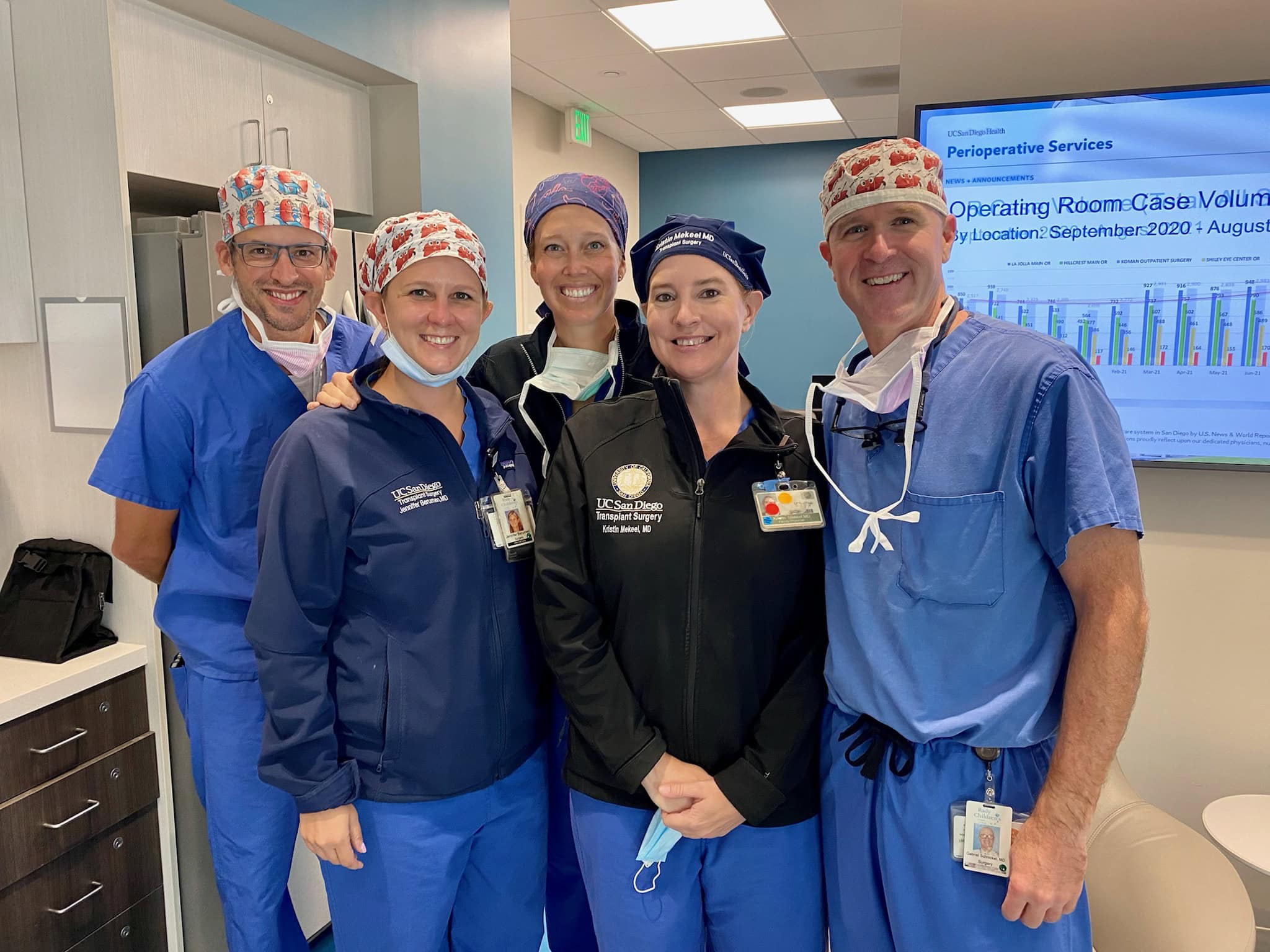
Dr. Brubaker’s work also intersects with a broader effort to rethink the organ donation system itself. As associate director of UC San Diego’s REIMAGINE Center, founded by Dr. Gabriel Schnickel and originally funded by a UCSD Vice Chancellor interdisciplinary team award, she is part of an interdisciplinary initiative focused on innovation, equity, and compassion in donation and transplantation. The center’s work spans basic science, policy, education, and ethics, reflecting the complexity of the challenges ahead.
Educational efforts, including hands-on training in NRP, have drawn participants from across the United States and internationally. In one recent course, a surgeon traveled from India to learn how to build a DCD and NRP program.
“That was really exciting,” Brubaker says, “to see that this work is reaching that far and that we are building an international community.”
The global interest underscores the broader significance of the field’s current moment. Technologies like NRP are not just technical innovations. They are catalysts for reexamining long-standing assumptions about donor eligibility, organ utilization, and system design.
In 2025, Dr. Brubaker received the Vanguard Prize from the American Society of Transplant Surgeons for her work in clinical research. The recognition honored a JAMA Surgery publication examining early U.S. liver transplant outcomes following normothermic regional perfusion compared with standard super rapid recovery. The study was among the first publications to emerge from CONCORD.
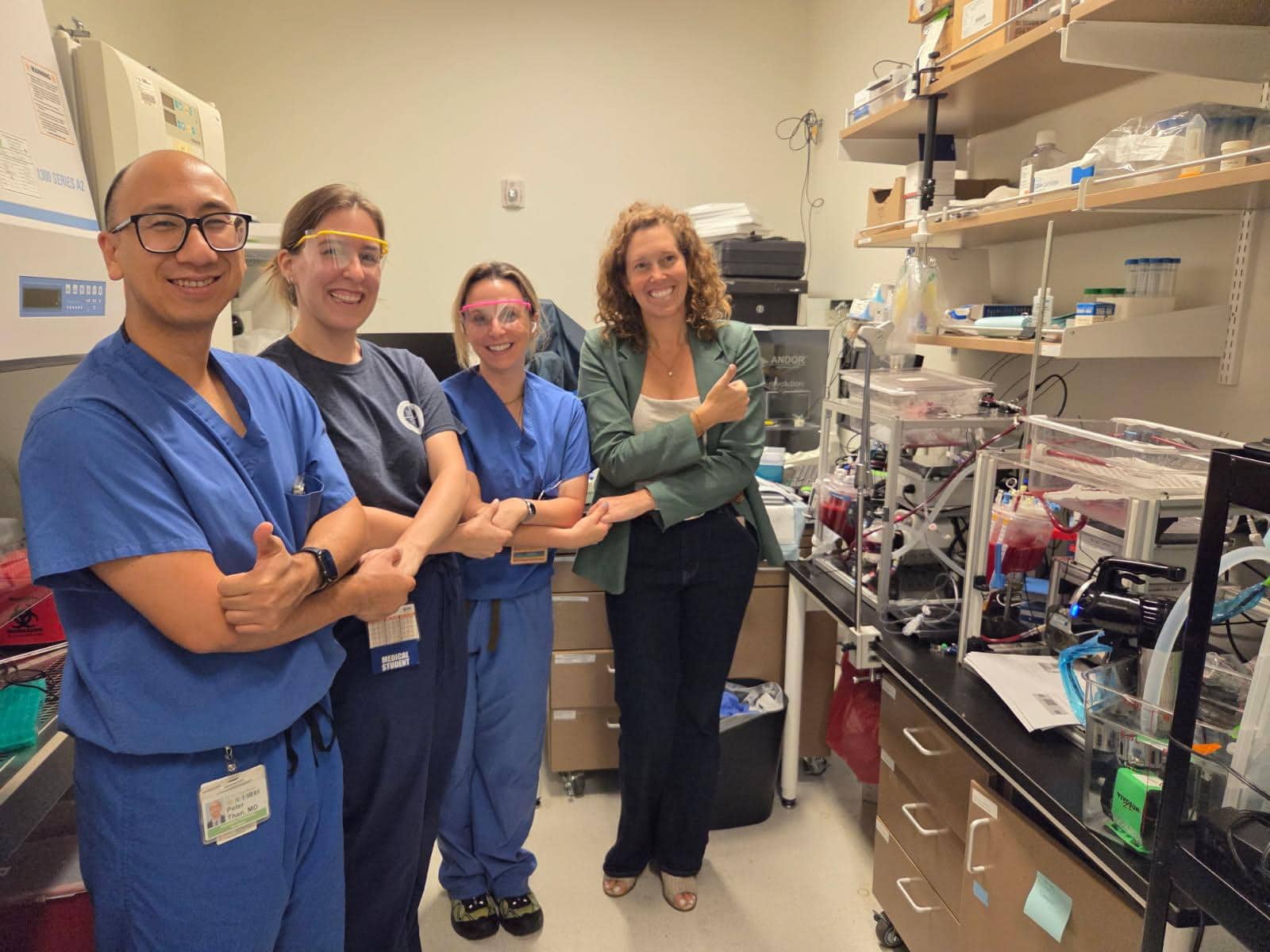
She also co-directs, with Dr. Peter A. Than, UC San Diego’s Transplant Revitalization Laboratory, a machine perfusion-centered lab. “We have a shared interest in utilizing machine perfusion to study ischemia reperfusion injury that occurs in organs being considered for transplant, particularly those that are deemed high risk or historically discarded organs. We seek to understand the transcriptional and metabolic pathways that are affected during their injury and recovery phases and explore how we can optimize that to potentially repair and enhance organs for transplant.”
A Field in Motion
For Dr. Brubaker, the momentum is tangible. National transplant volumes are rising. The donor pool is evolving. Technologies once considered experimental are becoming part of clinical practice.
Still, she is careful not to frame progress as inevitable.
“The technology is important,” she says. “But it’s how we use it, how we study it, and how we share what we learn that really matters.”
Looking Ahead
As Dr. Brubaker reflects on her work and the future of transplantation, she returns to the same idea that first drew her to the field: the opportunity to transform loss and grief into hope and life. Expanding that opportunity will require more than new technologies or technical breakthroughs. It will depend on sustained collaboration, rigorous data, and a willingness to learn from one another. In that sense, the future of transplantation may look less like a series of individual advances and more like a shared endeavor, built across institutions, disciplines, and experiences. For Dr. Brubaker, progress is not simply about making more organs available for transplant; it is about building the knowledge and systems necessary to use those organs safely and responsibly, while extending the possibility of transplantation to more patients.
“It’s about asking better questions together,” Brubaker says. “And then doing the work to answer them.”


