

Christina Strong

JD
Job Title: Partner
Organization: Dilworth Paxson, LLP
Christina Woodward Strong is a partner in the Princeton, NJ office of Dilworth Paxson, LLP, where much of her health law practice involves  the laws, regulations and policies surrounding anatomical donation for transplant, research and education.

Professional Information

Alliance Presentations

Gavel And Stethoscope. Medical Jurisprudence. Legal Definition Of Medical Malpractice. Attorney. Common Errors Doctors, Nurses And Hospitals Make

Legal and Ethical Considerations in Navigating First-Person Authorization

Thursday, July 17, 2025, at 3:00pm

During this webinar, we will discuss the legal definition of First-Person Authorization (FPA) and what constitutes a true objection to FPA. We will explore what the law says about an individual’s right to make a legally binding donation decision, as well as the legal and ethical complexities that arise when donor designation is questioned or retracted. To guide this discussion, we’ll be joined by legal experts Christina Strong and Brendan Parent who will offer their insights into the legal framework of FPA and its broader ethical implications in organ donation and transplantation.

BrainDeath

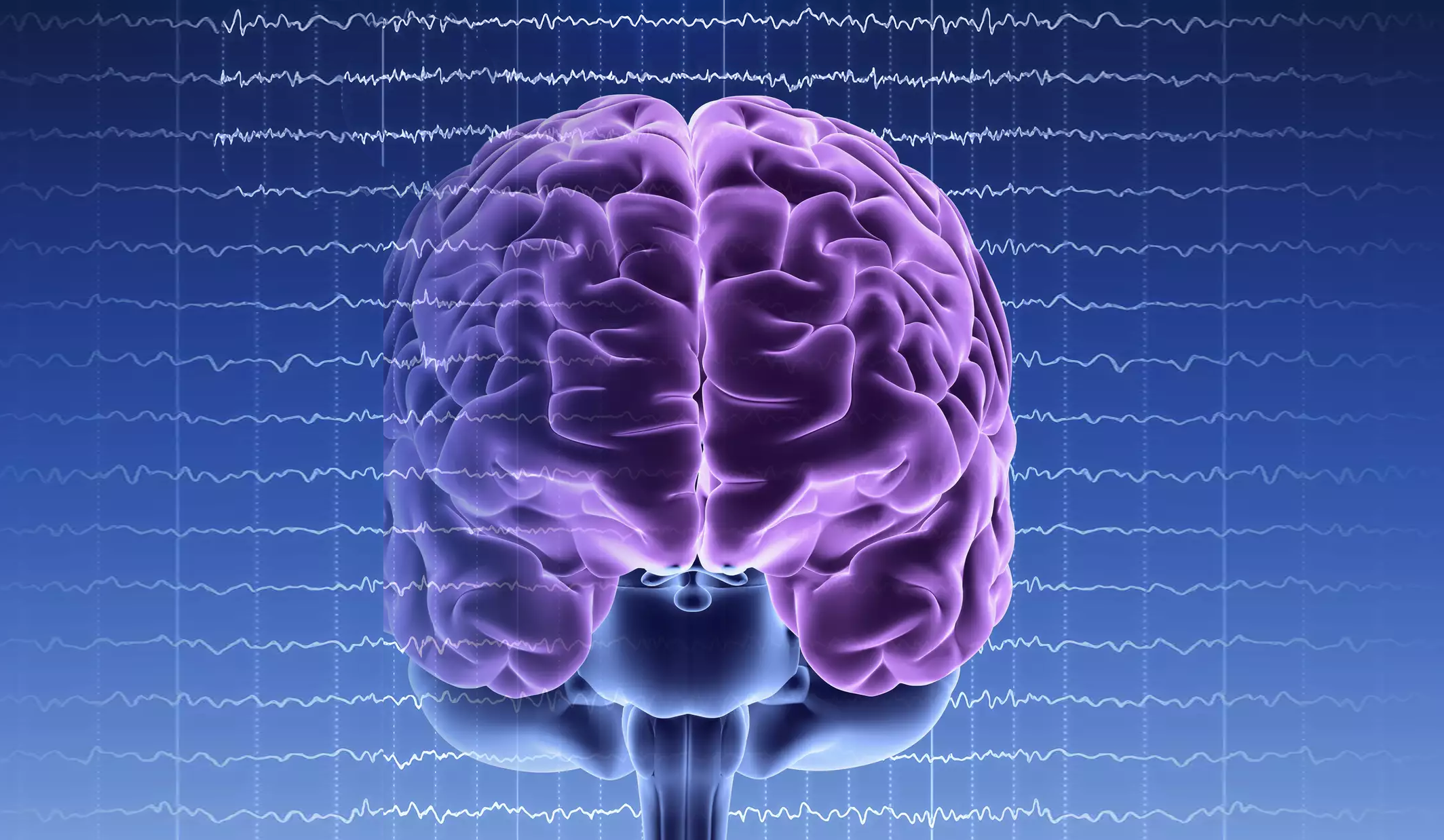
Beyond Diagnosis: Understanding the Legal and Ethical Implications of the 2023 Brain Death Guidelines

Tuesday, March 26, 2024, at 3:00pm

Join us for the second installment of our brain death series, where we delve into the legal and ethical implications of the 2023 Brain Death Guidelines. Building upon the foundational knowledge from Part I of the series, this session will explore the intricate intersection of law, ethics, and medical practice surrounding brain death determination and donation after neurological death.

Medical Legal

Understanding the UDDA: A Review of the Legal Standard of Death Determination

Tuesday, November 29, 2022, at 2:00pm

The Uniform Determination of Death Act, (“UDDA”) which is currently the law in most states holds that in order to be determined deceased an individual must present irreversible cession of cardiorespiratory function or irreversible cessation of all functions of the entire brain, including the brain stem. However, inconsistencies identified between the clinical protocols to declare brain death and the legal wording has led to discussions suggesting that action should be taken to revise and clarify the legal standard of death determination. Given that most deceased donations result from patients declared dead by neurologic criteria, this ongoing deliberation is important to the donation and transplantation community, and other constituents in the continuum of care, including patients. For this discussion, we will be joined by Christina Strong, JD. and Brendan Parent, JD who will provide further information about the proposals being made to help us better understand the rationale behind these changes from the legal and ethical perspective.

Lifelong Networks

Our partners are the heart and soul of our organization. For more than 15 years, they have played a vital role providing quality education and programs to advance a shared mission.