


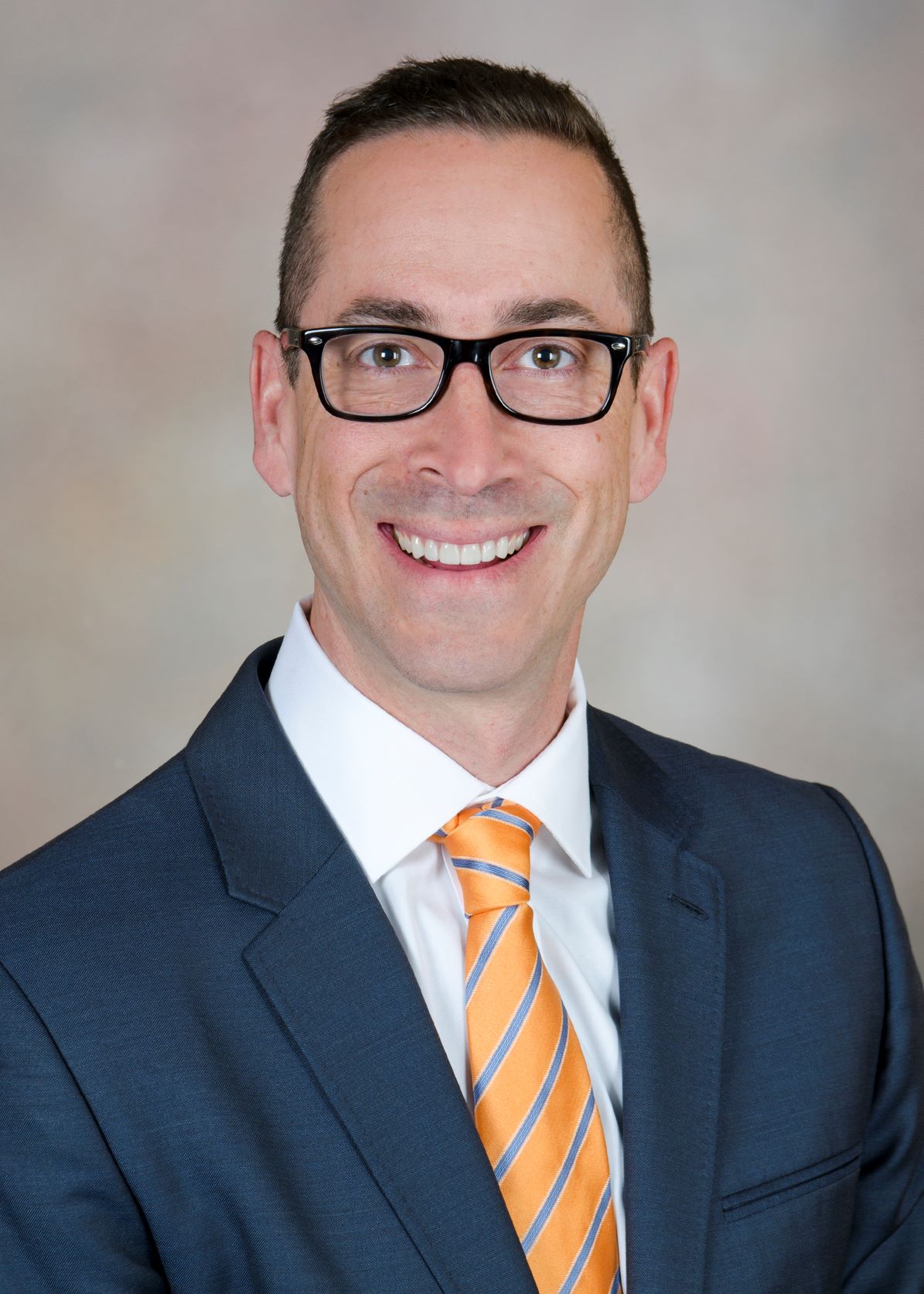
Darren Malinoski, MD is the Chief Clinical Transformation Officer for the School of Medicine and a Professor of Surgery in the Division of Trauma at Oregon Health & Science University in Portland, Oregon.
Dr. Malinoski has been actively involved in numerous clinical, administrative, and academic activities related to organ donation, donor management, and recipient critical care for the past 12 years and considers these aspects of his career to be among the most rewarding.
A focal point for Dr. Malinoski’s research involves the incorporation of Donor Management Goals (DMGs) at the donor’s bedside. DMGs serve as critical care endpoints to help guide donor management. They also create a standardized framework for interventional research protocols. Dr. Malinoski is the physician leader of the UNOS DMG Workgroup, which launched the nation’s first web-based Registry that contains donor management and recipient outcome data elements in a single location that is accessible for both performance improvement projects and research purposes. Dr. Malinoski is also the Co-PI of the multi-OPO randomized controlled trial, “Mild Hypothermia and Machine Perfusion in Deceased Organ Donors for Protection against Delayed Graft Function in Kidney Transplant Recipients,” which utilized the DMG Web Portal as the foundation of its data and safety monitoring plan.
Dr. Malinoski has over 100 peer-reviewed publications and book chapters and is a member of several professional societies, including the American College of Surgeons, the American Association for the Surgery of Trauma, the Western Surgical Association, the Pacific Coast Surgical Association, and the American Society of Transplantation. He has served on the Advisory Boards, Executive Committees, and Leadership Councils of numerous Organ Donation and Transplant Organizations.
Directory Menu
Partner Information
Darren Malinoski
MD, FACS,
Oregon Health and Sciences University
Brief Bio
Patient Group: Adult
Areas of Practice: Procurement
Connections to the Cause
Caregiver
Lifelong Networks
Our partners are the heart and soul of our organization. For more than 15 years, they have played a vital role providing quality education and programs to advance a shared mission.